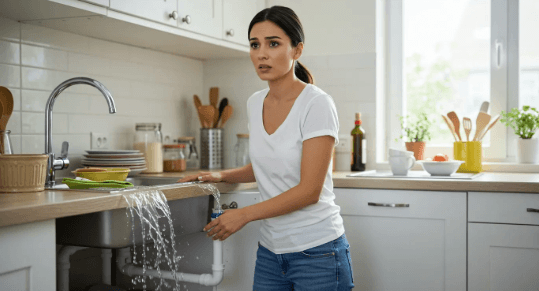
Common plumbing mistakes can quietly escalate, with leaks, slow drains, and hidden venting issues signaling trouble early. DIY missteps—incorrect fittings, over-tightening, ill-prepared joints—often lead to costly leaks. Freeze-thaw risks demand proper insulation and draining procedures. Skipping proactive inspections or delaying maintenance lets problems compound. Following manufacturer guidelines and consulting professionals when in doubt are prudent choices, but unresolved questions linger and demand attention before small issues become disasters.
How to Spot Common Bad Plumbing Habits Early
Spotting common bad plumbing habits early requires a trained eye for telltale patterns. Inspectors note leaky fixtures signaling drainage stress, improper venting risking traps and odors, and unverified codes that threaten compliance. Subtle clues include slow drains and inconsistent shutoffs. Scheduling inspections promptly curbs escalation, reinforcing proactive maintenance and freedom from recurring issues, while disciplined records support future renovations and reliable performance.
Avoiding DIY Missteps With Fittings and Sealants
When homeowners address common bad plumbing habits, attention naturally shifts to safe and reliable assembly of fittings and the proper use of sealants to prevent leaks.
The section highlights fittings failings and sealant pitfalls, urging careful selection, correct sizes, and clean joints.
It emphasizes torque control, manufacturer guidelines, and reevaluation after assembly, avoiding shortcuts that compromise system integrity and long-term reliability.
See also: Technology in Modern Healthcare
What to Do When Pipes Freeze or Burst?
Frozen or bursting pipes create urgent safety and damage risks. When a freeze occurs, shut off the water supply and relieve pressure, then open faucets to drain remaining water. Implement freeze precautions like insulation and controlled heat to prevent recurrence. If a pipe bursts, apply burst response measures: cap the leak, assess damage, and contact a professional for permanent repairs.
When to Call a Pro and What to Expect From an Inspection
Assessing when to bring in a professional and what to expect during an inspection follows the handling of frozen or burst pipes. The decision hinges on complexity, signs of hidden leaks, or repeated failures. An inspection documents accessibility, code compliance, and potential future risks. Unrelated topic and outside scope notes remind readers that some issues lie beyond plumbing. Procedures, timing, and transparent findings guide informed choices.
Conclusion
Conclusion:
By recognizing early signs of trouble, avoiding DIY missteps, and preparing for freeze-thaw scenarios, homeowners can avert costly water damage. Proactive maintenance and timely inspections are essential, not optional. When in doubt, a licensed plumber should be consulted—don’t let small leaks compound into major failures. Remember: prevention is the best remedy, and acting promptly preserves both safety and value. The flute of vigilance plays best when tuned to citations of professional guidance.